
Experience genuine relief from sciatic nerve pain through targeted chiropractic interventions. Explore how manual spinal manipulation, therapeutic soft tissue work, and corrective movement patterns address nerve irritation and reduce inflammation for sustainable healing.
Sciatica, the radiating pain that travels from your lower back down to your legs, can be a debilitating condition. It often stems from a herniated disc or bone spur compressing the sciatic nerve.
Chiropractic treatment offers a natural, drug-free approach to managing sciatica pain and promoting long-term relief.
Key Takeaway:
Chiropractic care is an effective, non-invasive treatment for sciatica pain. Through spinal adjustments, soft tissue therapy, and rehabilitative exercises, chiropractors can alleviate nerve compression, reduce inflammation, and improve mobility, providing lasting relief for sciatica sufferers.
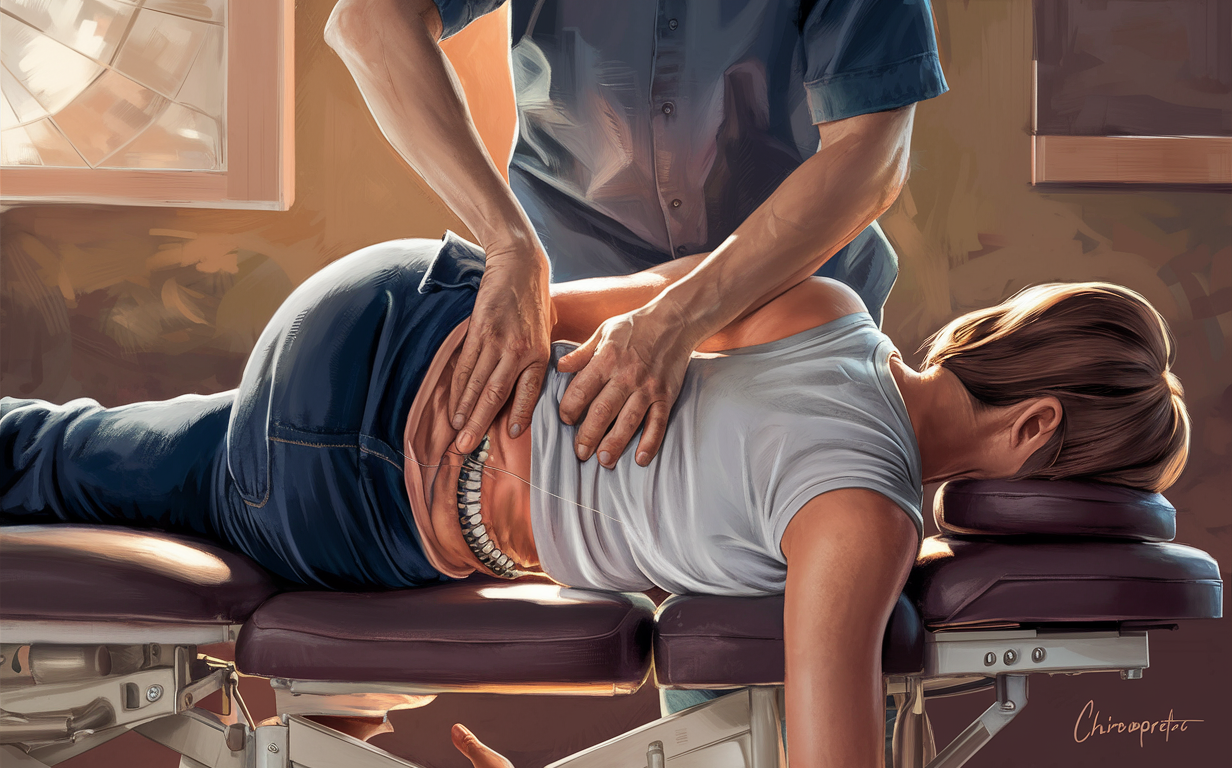
Before we delve into chiropractic treatment, let’s understand the sciatic nerve and its significance in sciatica. The sciatic nerve is the longest and thickest nerve in the human body, originating in the lower back and running through the buttocks and down the legs.
When this nerve becomes compressed or irritated, it can cause a range of symptoms collectively known as sciatica. These symptoms may include:
Sciatica can be caused by various factors, such as a herniated disc, bone spurs, piriformis syndrome, or spinal stenosis. Addressing the root cause is crucial for effective and long-lasting relief.
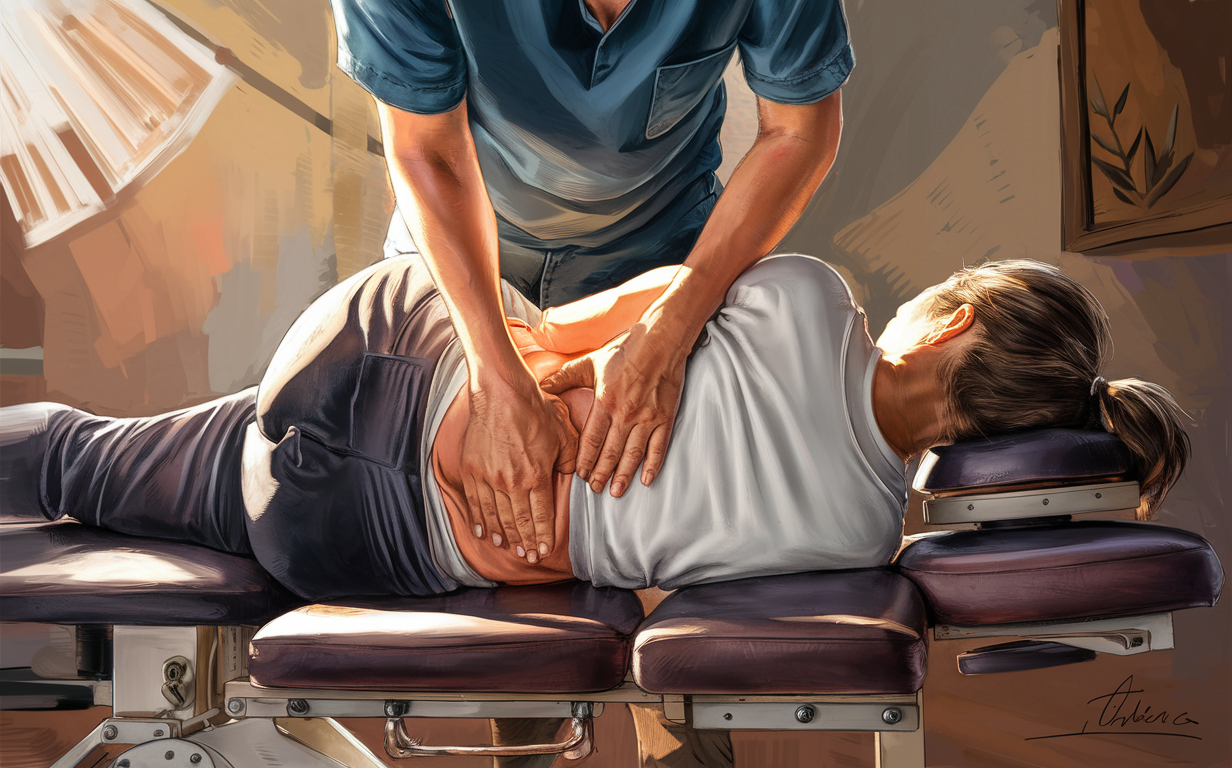
Chiropractors are trained professionals who specialize in diagnosing and treating musculoskeletal conditions, including sciatica. Their approach to sciatica relief is multi-faceted, combining various techniques to address the underlying cause and alleviate symptoms.
One of the primary techniques used by chiropractors is spinal adjustments, also known as spinal manipulation. This involves applying controlled force to specific areas of the spine to restore proper alignment and relieve pressure on the sciatic nerve.
By realigning the vertebrae, chiropractors can reduce nerve compression, improve spinal mobility, and promote healing. Spinal adjustments have been shown to be effective in reducing sciatica pain and improving overall function.
Chiropractors often incorporate soft tissue therapy techniques, such as massage, myofascial release, and trigger point therapy, to address muscle tension and tightness that may contribute to sciatic nerve irritation.
These techniques help to relax and lengthen the muscles, improving flexibility and reducing pressure on the sciatic nerve. Soft tissue therapy can also promote blood flow and reduce inflammation, further aiding in the healing process.
In addition to hands-on treatments, chiropractors may recommend specific exercises and stretches to strengthen the core and stabilize the spine. These exercises can help improve posture, reduce stress on the sciatic nerve, and prevent future episodes of sciatica.
Chiropractors may also provide guidance on proper ergonomics and lifestyle modifications to minimize the risk of aggravating sciatica symptoms.

Chiropractic care offers numerous benefits for individuals suffering from sciatica:
Pain Relief: By addressing the root cause of sciatica, chiropractic adjustments and soft tissue therapy can effectively alleviate radiating pain, numbness, and tingling associated with sciatic nerve compression.
Improved Mobility: Restoring proper spinal alignment and reducing muscle tension can enhance range of motion and improve overall mobility, allowing individuals to resume their daily activities with greater ease.
Non-invasive and Drug-free: Chiropractic care is a non-invasive and drug-free approach to sciatica treatment, avoiding the potential risks and side effects associated with surgery or medication.
Holistic Approach: Chiropractors take a holistic approach to health, addressing not only the physical symptoms but also lifestyle factors that may contribute to or exacerbate sciatica.
Long-term Relief: By addressing the underlying causes of sciatica, chiropractic care can provide long-lasting relief and reduce the risk of recurrence, promoting overall well-being and quality of life.

While chiropractic care is generally considered safe, it is essential to seek treatment from a licensed and experienced chiropractor. They will conduct a thorough examination, including a medical history review and physical assessment, to determine the most appropriate course of treatment.
It is also crucial to communicate openly with your chiropractor about any concerns or discomfort during the treatment process. A qualified chiropractor will adjust their approach accordingly to ensure your safety and comfort.
| Symptom | Chiropractic Treatment Approach |
|---|---|
| Radiating leg pain | Spinal adjustments to reduce nerve compression, soft tissue therapy to relax muscles |
| Numbness or tingling | Spinal adjustments, soft tissue therapy, and exercises to improve nerve function |
| Muscle weakness | Rehabilitative exercises to strengthen core and leg muscles, improve stability |
| Difficulty walking | Spinal adjustments, soft tissue therapy, and gait training exercises to improve mobility |

When seeking chiropractic care for sciatica, it’s essential to find a qualified and experienced chiropractor who specializes in treating this condition. Here are some tips to help you find the right chiropractor:
Remember, effective communication and a trusting relationship with your chiropractor are crucial for successful treatment outcomes.
Table: Potential Risk Factors for Sciatica
| Risk Factor | Description |
|---|---|
| Age | The risk of sciatica increases with age due to degenerative changes in the spine. |
| Obesity | Excess weight can put additional strain on the spine and increase the risk of disc herniation, which can lead to sciatica. |
| Occupation | Jobs that involve heavy lifting, prolonged sitting, or repetitive motions can contribute to the development of sciatica. |
| Pregnancy | The added weight and pressure on the spine during pregnancy can increase the risk of sciatic nerve compression. |
| Sedentary lifestyle | Lack of physical activity can weaken the core muscles and increase the risk of poor posture, leading to spinal misalignment and potential sciatic nerve irritation. |
| Injury or trauma | Injuries to the lower back, such as herniated discs or fractures, can directly compress or irritate the sciatic nerve. |

While chiropractic care is an effective treatment for sciatica, it can be combined with other complementary therapies for enhanced relief:
Acupuncture: This ancient Chinese practice involves the insertion of thin needles into specific points on the body to promote healing and relieve pain.
Massage Therapy: Therapeutic massage can help relax tense muscles, improve circulation, and reduce inflammation, which can alleviate sciatic nerve irritation.
Physical Therapy: A physical therapist can provide targeted exercises and stretches to strengthen the core, improve flexibility, and promote proper spinal alignment.
Heat and Cold Therapy: Applying heat or cold packs to the affected area can help reduce inflammation and relieve pain associated with sciatica.
Mindfulness and Relaxation Techniques: Practices such as yoga, meditation, and deep breathing exercises can help manage stress and promote overall well-being, which can aid in the recovery process.
Consult with your chiropractor and healthcare team to develop a comprehensive treatment plan that incorporates complementary therapies tailored to your specific needs and preferences.
Sciatica can significantly impact one’s quality of life, causing debilitating pain and limiting mobility. Chiropractic care offers a safe, non-invasive, and effective approach to managing sciatica pain and addressing its underlying causes.
Through spinal adjustments, soft tissue therapy, and rehabilitative exercises, chiropractors can alleviate nerve compression, reduce inflammation, and improve overall spinal health. By addressing the root cause of sciatica, chiropractic care can provide long-lasting relief and prevent future episodes.
If you’re suffering from sciatica, consider seeking chiropractic care from a qualified and experienced practitioner. With a comprehensive approach and a commitment to your well-being, chiropractors can guide you on the path to lasting relief and improved quality of life.
Remember, early intervention and a proactive approach to sciatica management can make a significant difference in your recovery journey. Embrace chiropractic care and take control of your health today.
Contact us and schedule an appointment with our expert chiropractors today!