
SoftWave therapy, also known as SoftWave tissue regeneration technology (TRT), represents a breakthrough in non-invasive pain management and tissue healing. This FDA-cleared treatment utilizes unfocused shock wave technology to stimulate your body’s natural healing processes at the cellular level.
Unlike traditional extracorporeal shock wave therapy (ESWT), SoftWave’s patented electrohydraulic spark gap technology creates parallel acoustic waves that penetrate deeper into tissues without causing microtrauma. This advanced form of acoustic wave therapy triggers biological responses including stem cell activation, increased blood flow, and accelerated tissue repair.
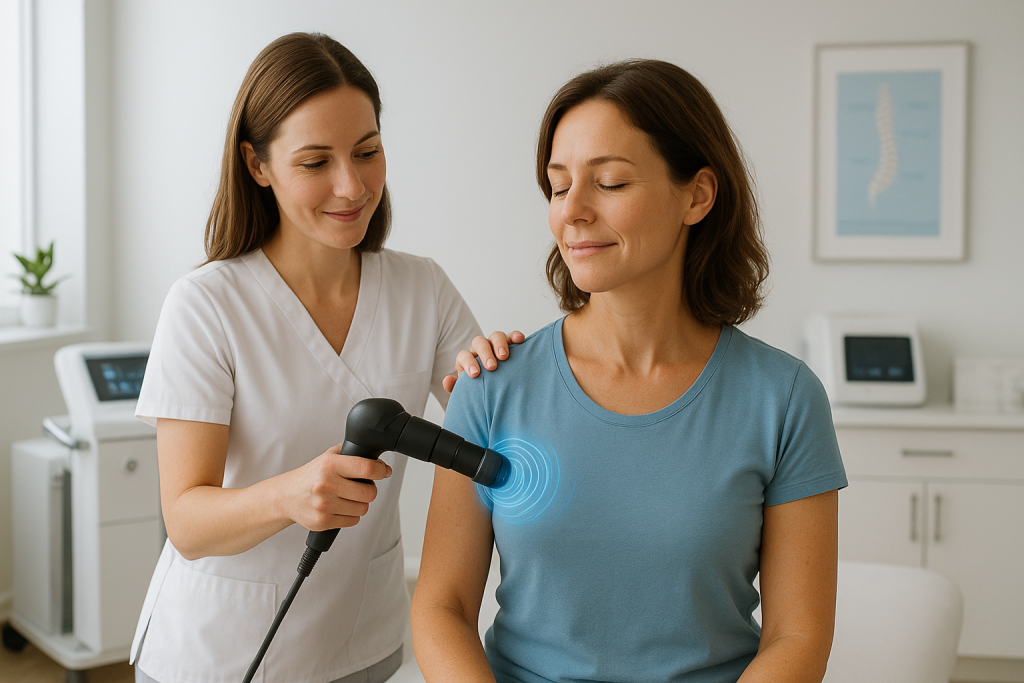
The mechanism behind SoftWave regenerative therapy involves delivering therapeutic energy waves that create beneficial cellular responses. When these acoustic pulses reach damaged tissues, they:
This biological cascade promotes natural healing without injections, surgery, or downtime. The treatment typically takes 10-15 minutes per session, with most patients experiencing improvement within 3-6 treatments.
Local SoftWave therapy providers successfully treat numerous musculoskeletal and soft tissue conditions:
Orthopedic Conditions:
Sports Injuries:
Chronic Pain Syndromes:
When searching for “SoftWave therapy near me,” consider these essential factors:
Certification and Training: Look for clinics with certified SoftWave practitioners who have completed official training through SoftWave Tissue Regeneration Technologies. Qualified providers include chiropractors, physical therapists, orthopedic specialists, sports medicine doctors, and pain management physicians.
Technology and Equipment: Ensure the clinic uses authentic SoftWave TRT OrthoGold 100 devices, the only FDA-cleared unfocused shock wave system proven for connective tissue activation and improved blood supply.
Treatment Experience: Choose providers with extensive experience treating your specific condition. Ask about success rates, patient testimonials, and before-and-after case studies.
Comprehensive Evaluation: Quality SoftWave clinics perform thorough assessments including diagnostic imaging when necessary, biomechanical analysis, and detailed treatment planning.
Your first visit to a local SoftWave therapy center typically includes:
Initial Consultation: Discussion of medical history, current symptoms, previous treatments, and therapeutic goals. The practitioner will perform physical examination and functional testing.
Treatment Planning: Based on your condition, the provider develops a customized protocol determining treatment areas, intensity levels, number of pulses, and session frequency.
The Treatment Process:
Post-Treatment Guidelines: Most patients resume normal activities immediately. Some experience temporary soreness similar to post-workout muscle fatigue, typically resolving within 24-48 hours.
Understanding how SoftWave compares to alternative therapies helps inform your treatment decision:
SoftWave vs. Radial Shockwave: Radial pressure waves create superficial effects, while SoftWave’s unfocused technology penetrates 12cm deep, reaching bones, tendons, and ligaments.
SoftWave vs. PRP Injections: Platelet-rich plasma requires blood draws and injection discomfort. SoftWave achieves similar regenerative effects non-invasively without needles.
SoftWave vs. Stem Cell Therapy: While stem cell injections cost thousands per treatment, SoftWave activates your body’s resident stem cells naturally at a fraction of the cost.
SoftWave vs. Cortisone Shots: Steroid injections provide temporary relief but may weaken tissues over time. SoftWave promotes actual healing without degenerative side effects.
SoftWave therapy pricing varies by location and treatment protocol:
While most insurance plans don’t currently cover SoftWave therapy, many clinics offer:
Some workers’ compensation and personal injury cases may cover treatment costs. Verify coverage with your provider and insurance carrier.
Peer-reviewed studies demonstrate SoftWave therapy’s effectiveness:
Research published in journals including the Journal of Orthopedic Research and International Journal of Surgery validates shock wave therapy’s regenerative mechanisms.
To locate the best SoftWave providers in your area:
Is SoftWave therapy painful? Most patients describe a mild tingling or tapping sensation. Discomfort levels are adjustable, and treatment intensity can be modified for comfort.
How many treatments will I need? Typical protocols involve 6-8 weekly sessions, though some conditions respond in 3-4 treatments. Chronic conditions may require additional maintenance sessions.
Are there side effects? SoftWave therapy has minimal side effects. Temporary redness, mild swelling, or soreness may occur but typically resolve within 48 hours.
Can I combine SoftWave with other treatments? Yes, SoftWave complements physical therapy, chiropractic care, massage therapy, and exercise rehabilitation programs.
Who shouldn’t receive SoftWave therapy? Contraindications include pregnancy, active cancer at treatment site, blood clotting disorders, and certain medications. Consult your provider about specific concerns.
Don’t let chronic pain limit your life. SoftWave therapy offers a scientifically-proven, non-invasive solution for lasting relief and tissue regeneration. Contact a certified SoftWave provider near you to discuss how this innovative treatment can address your specific condition and restore your quality of life.
Remember to ask about new patient evaluations, treatment packages, and whether your clinic offers complementary therapies to enhance your healing journey. With the right SoftWave therapy provider, you’re taking a significant step toward recovery without surgery, injections, or extensive downtime.