
Discover how chiropractic treatment alleviates chronic pain through natural, drug-free approaches that target underlying causes to enhance overall well-being.
Chronic pain represents a debilitating health condition affecting millions of individuals across the globe. This persistent discomfort can dramatically compromise a person’s daily functioning, making routine activities challenging and diminishing overall life satisfaction.
Although numerous treatment modalities exist, chiropractic care has gained recognition as an effective and popular method for managing persistent pain conditions. In this comprehensive guide, we’ll examine how chiropractic interventions can provide chronic pain relief and promote enhanced wellness.

Chronic pain is defined as pain that persists for more than 12 weeks, even after the initial injury or illness has healed. It can be caused by a variety of factors, including:
Chronic pain can manifest in various ways, including:
| Type of Pain | Description |
|---|---|
| Aching | A dull, persistent pain that can be felt deep in the bones or muscles |
| Burning | A hot, searing sensation that can be localized or widespread |
| Shooting | A sharp, electric-like pain that can travel along nerve pathways |
| Throbbing | A pulsing pain that can be felt in time with the heartbeat |

Chiropractic care is a holistic approach to health that focuses on the relationship between the body’s structure, particularly the spine, and its function. Chiropractors believe that misalignments or dysfunctions in the spine can lead to a variety of health problems, including chronic pain.
The goal of chiropractic care is to restore proper alignment and function to the spine and other joints, thereby reducing pain and improving overall health. Chiropractors use a variety of techniques to achieve this goal, including:
Spinal adjustments, also known as chiropractic manipulations, are the most common technique used by chiropractors. During an adjustment, the chiropractor applies a controlled force to a specific joint in the spine or other part of the body, with the goal of restoring proper alignment and function.
Spinal adjustments can help:
Manual therapy is a hands-on technique that involves the use of the chiropractor’s hands to manipulate soft tissues, such as muscles, tendons, and ligaments. Manual therapy can help:
Exercise therapy is an important component of chiropractic care for chronic pain. Chiropractors may recommend specific exercises to help:
Exercises may include stretching, strengthening, and low-impact aerobic activities, such as walking or swimming.
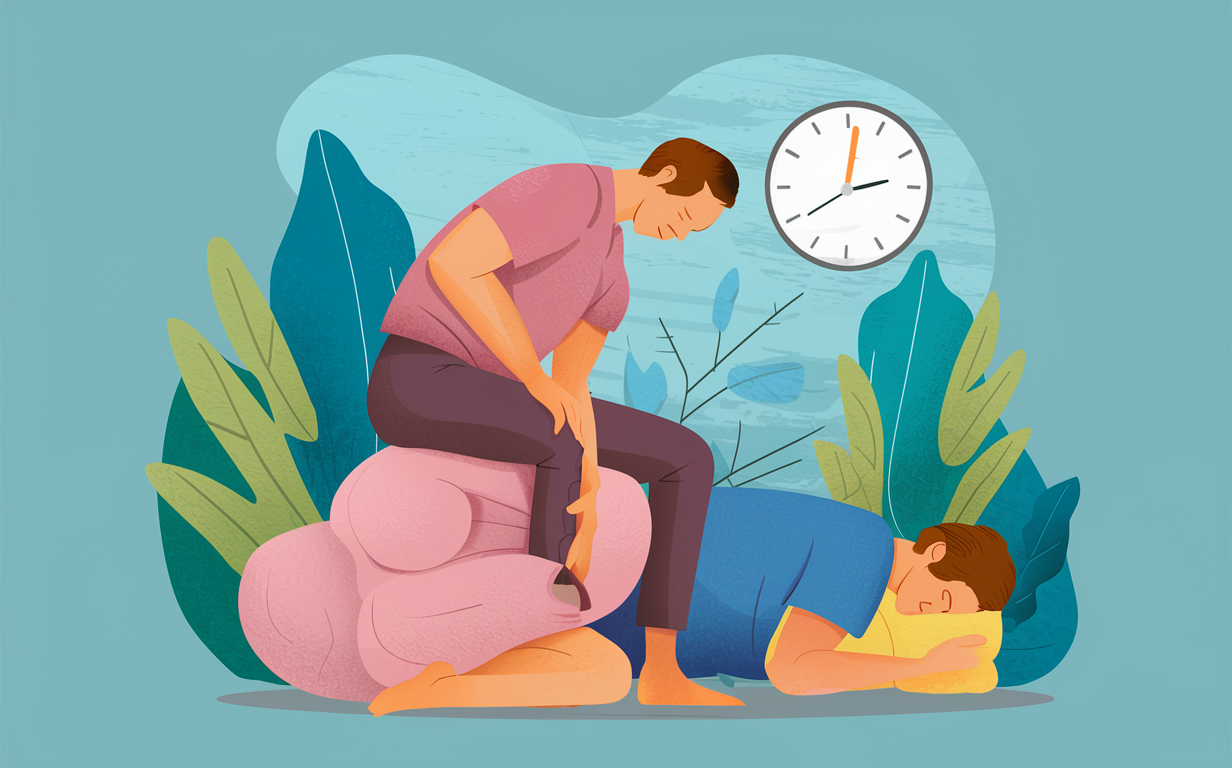
Chiropractic care offers a number of benefits for people with chronic pain, including:
Unlike some other treatment options, such as surgery or medication, chiropractic care is non-invasive and drug-free. This means that it carries fewer risks and side effects, making it a safe and effective option for many people with chronic pain.
Chiropractic care focuses on addressing the underlying cause of pain, rather than just masking symptoms. By correcting misalignments and dysfunctions in the spine and other joints, chiropractors can help reduce pain and improve function over the long term.
Chronic pain can significantly limit a person’s ability to move and function normally. Chiropractic care can help improve mobility and function by reducing pain, increasing flexibility, and strengthening weak or imbalanced muscles.
Chiropractic care is a holistic approach to health that focuses on the whole person, not just their symptoms. By addressing the underlying causes of pain and promoting overall health and well-being, chiropractic care can help people with chronic pain lead happier, healthier lives.
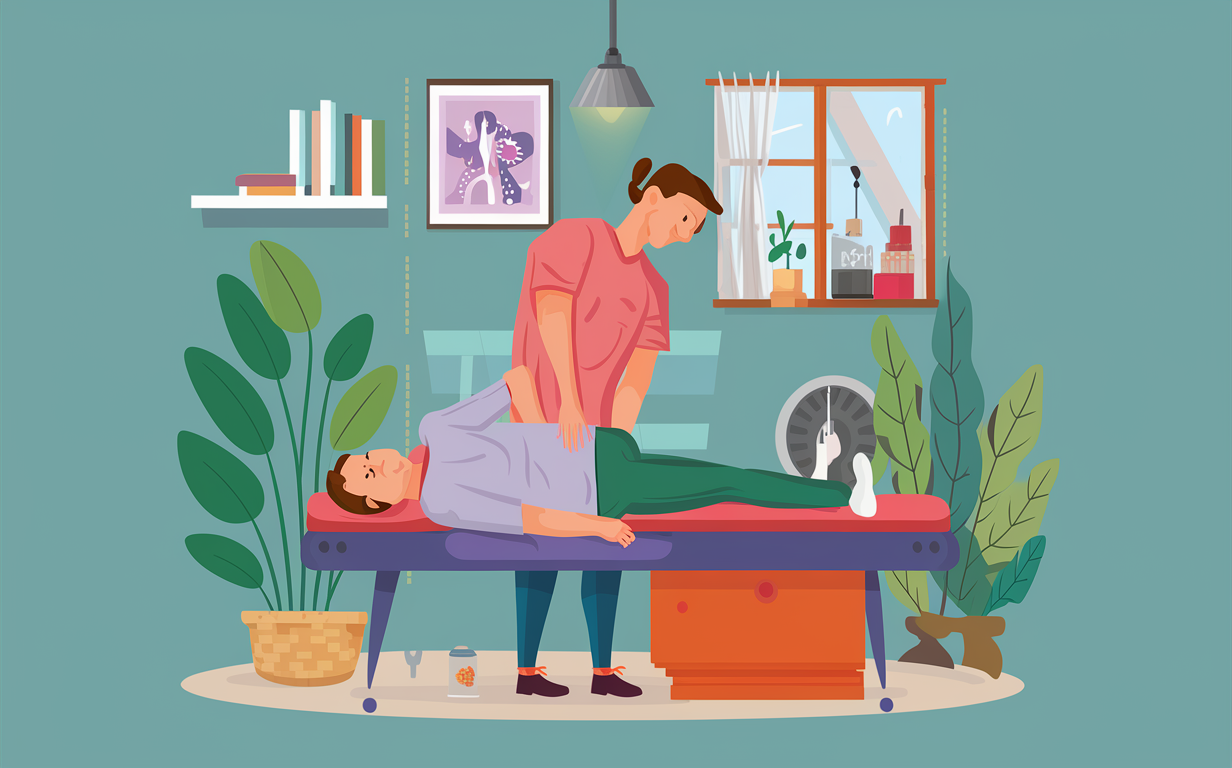
Chiropractic care can be effective for a variety of types of chronic pain, including:
Back pain is one of the most common reasons people seek chiropractic care. Chiropractors can help alleviate back pain by correcting misalignments in the spine, reducing muscle tension and spasms, and promoting proper posture and ergonomics.
At Yentz Family Chiropractic, we offer a range of back pain treatment options, including spinal adjustments, manual therapy, and exercise therapy.
Neck pain is another common complaint that can be effectively treated with chiropractic care. Chiropractors can help alleviate neck pain by correcting misalignments in the cervical spine, reducing muscle tension and spasms, and promoting proper posture and ergonomics.
Our neck pain treatment options at Yentz Family Chiropractic include spinal adjustments, manual therapy, and exercise therapy, as well as lifestyle advice to help prevent future neck pain.
Headaches, including tension headaches and migraines, can often be traced back to dysfunction in the neck and upper back. Chiropractors can help alleviate headaches by correcting these dysfunctions and promoting proper alignment and function in the cervical spine.
If you suffer from chronic headaches, our migraine headaches treatment options at Yentz Family Chiropractic may be able to help.
Joint pain, including pain in the hips, knees, and shoulders, can be caused by a variety of factors, including arthritis, overuse, and injury. Chiropractors can help alleviate joint pain by correcting misalignments, reducing inflammation, and promoting proper joint function.
At Yentz Family Chiropractic, we offer a range of treatment options for chronic pain, including joint pain. Our approach includes spinal adjustments, manual therapy, and exercise therapy, as well as lifestyle advice to help prevent future joint pain.
Here are data-driven facts and stats about how chiropractic care can help with chronic pain:
Chronic pain can be a challenging and frustrating condition to live with, but chiropractic care offers a safe, effective, and non-invasive treatment option. By addressing the underlying causes of pain and promoting overall health and well-being, chiropractors can help people with chronic pain find relief and improve their quality of life.
If you’re struggling with chronic pain, consider making an appointment with a qualified chiropractor, such as those at Yentz Family Chiropractic. With a personalized treatment plan tailored to your specific needs and goals, you can start on the path to better health and a pain-free life.